Dust in a living space is an unavoidable phenomenon. It keeps coming up again and again, even in a home that is kept tidy and clean. It’s a straightforward and intricate explanation. Dust circulates, builds up, and conceals itself in places where it is invisible. In upholstered furniture, this is particularly prevalent.
What is House Dust Really Like?
House dust is not a homogeneous substance. It consists of many components, some of which enter the house from the outside, and some are formed indoors.
Studies show that about two-thirds of the dust comes from the street. It is carried with shoes, clothes, animal hair and penetrates through windows, ventilation and air conditioning systems. The rest is formed right in the house – from microparticles of human skin, hair, textile fibres, food residues and organic compounds.
Up to 90% of a person’s time is spent indoors. Consequently, the quality of the interior environment has a greater impact on health than initially appears.Because of this, the quality of the indoor environment plays a much greater role in health and comfort than many people realise, making consistent home maintenance services an important part of daily life.
Why Exactly Upholstered Furniture Becomes a Trap for Pollution

Fabric upholstery works differently than hard surfaces. Its fibres have a porous structure that literally draws in dust, allergens and microparticles. On the outside, something may appear clean but on the inside, it may be heavily contaminated.
Upholstered furniture accumulates:
- Fine dust
- Allergens
- Bacteria and microbes
- Dust mites
- Mold spores
- Organic residues
- Persistent odours
According to study, thousands of dust mites can live on upholstered furniture. They frequently trigger asthma episodes and allergic responses.
Climate, Humidity, and air Conditioning as Hidden Problem Enhancers
Humidity plays a key role. The fabric easily retains moisture, especially in hot climates and temperature fluctuations. An environment suitable for the growth of bacteria and mould is created inside the upholstery.
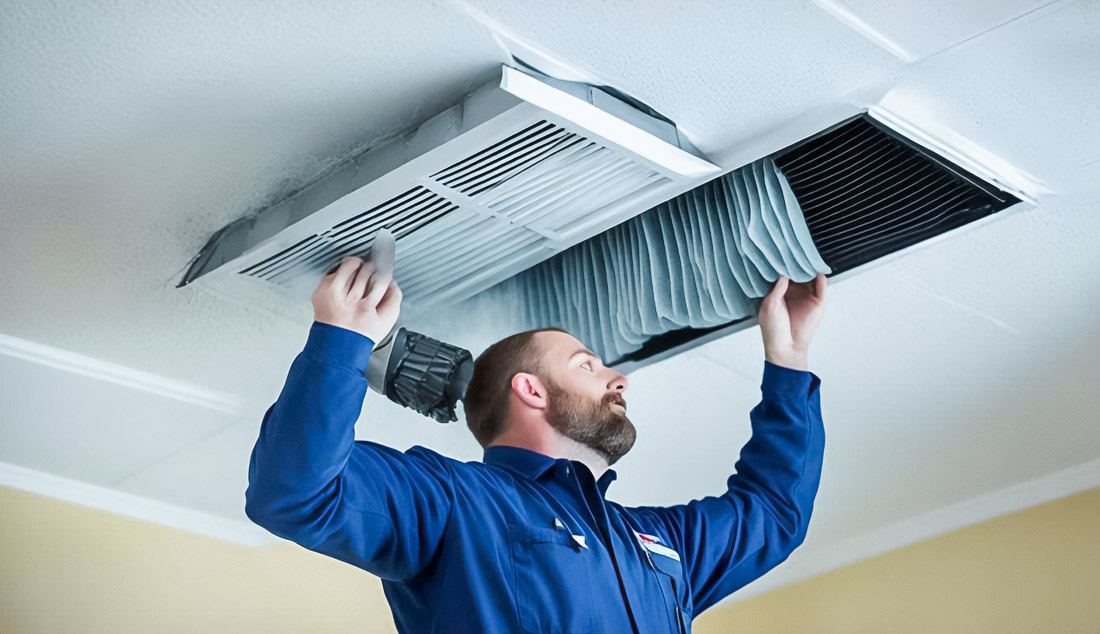
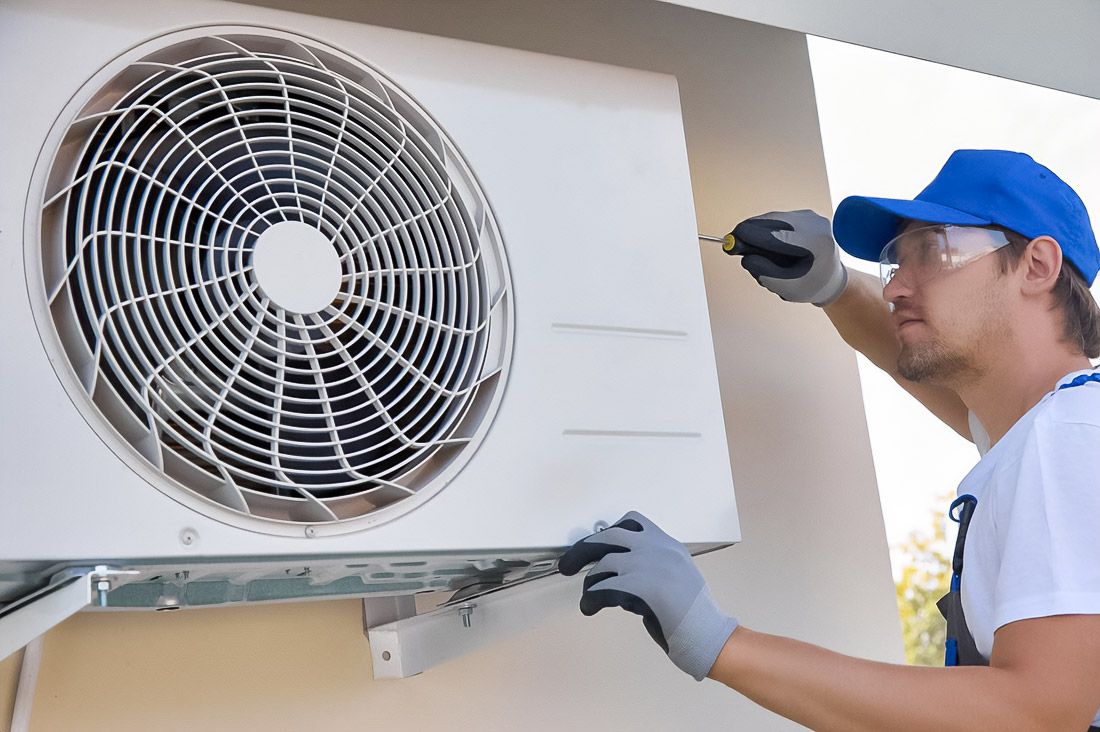
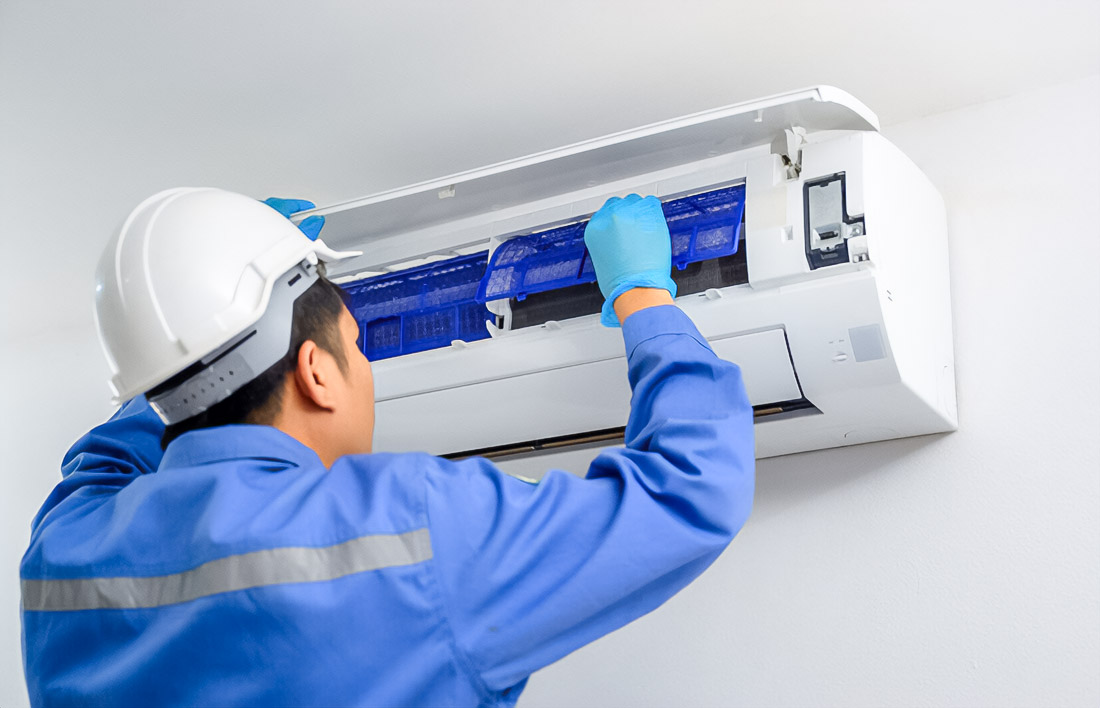
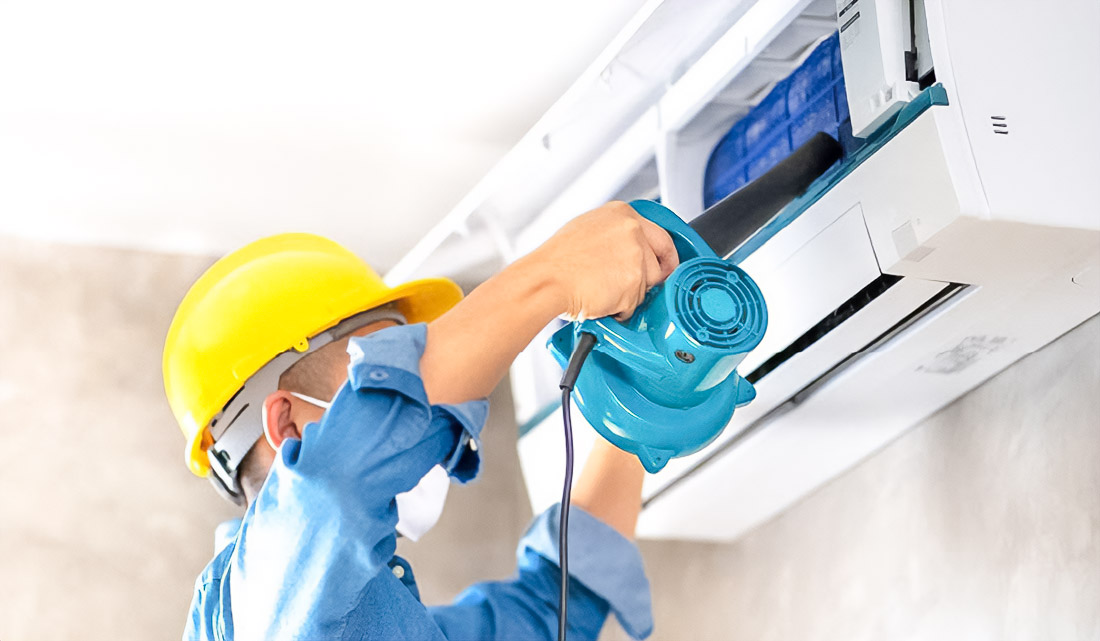
Air conditioning adds another factor. Cooling systems constantly drive air through the room. If the filters are dirty, dust and allergens do not disappear but simply move, settling over and over again on textiles, furniture and curtains. This makes regular home maintenance services essential for controlling indoor dust levels.
How Dust in Furniture Affects Your Health
The issue extends beyond aesthetics. The respiratory system can be penetrated by dust particles smaller than ten microns. They irritate the mucous membranes, provoke inflammation and worsen general well-being.
Fine particles can penetrate deeper, damaging the respiratory system and increasing the risk of chronic diseases. Microplastics and chemical compounds are also present in the dust, which accumulates with prolonged exposure.
This leads to:
- Allergic reactions
- Frequent sneezing
- Sleep deterioration
- The feeling of heavy, musty air
- Reducing the comfort of living
Why Does Regular Cleaning Often Not Work?
Surface cleaning creates the illusion of order. The vacuum cleaner removes only the top layer of dirt. With improper wet cleaning, particles can be pushed deeper into the fabric, and moisture can remain inside.
As a result, the smells return. The spots reappear. And inside the furniture, microorganisms continue to develop, invisible to the eye.
What Does Deep Cleaning of Upholstered Furniture do?
Deep cleaning does not affect the surface but the inner layers of the fabric and filler. It allows you to remove dust, allergens, bacteria and odours where they actually accumulate.
Regular deep cleaning:
- Reduces the concentration of allergens
- Improves air quality
- Slows down the wear of fibers
- Preserves the color and texture of the upholstery
- Prolongs the service life of furniture
- Increases the level of hygiene in the house
It is advised to do this at least twice a year, particularly if there are children or animals present if furniture is being utilised. When included as part of professional home maintenance services, this approach helps maintain a healthier, cleaner living environment over the long term.

Skier, doer, record lover, Bauhaus fan and proud pixelpusher. Working at the fulcrum of simplicity and purpose to develop visual solutions that inform and persuade