In the furniture and interior industry, decorative finishing has long ceased to be solely a matter of appearance. Today, it is directly related to performance, production efficiency, wear resistance, moisture resistance, as well as the economics of the entire project. Two technologies stand out among the most common solutions: wrapping (profile wrapping) and lamination (flat lamination). Despite the common goal of covering the surface with a decorative material, these processes differ fundamentally in design, scope and result.
What is Wrapping and Where is it Applied?
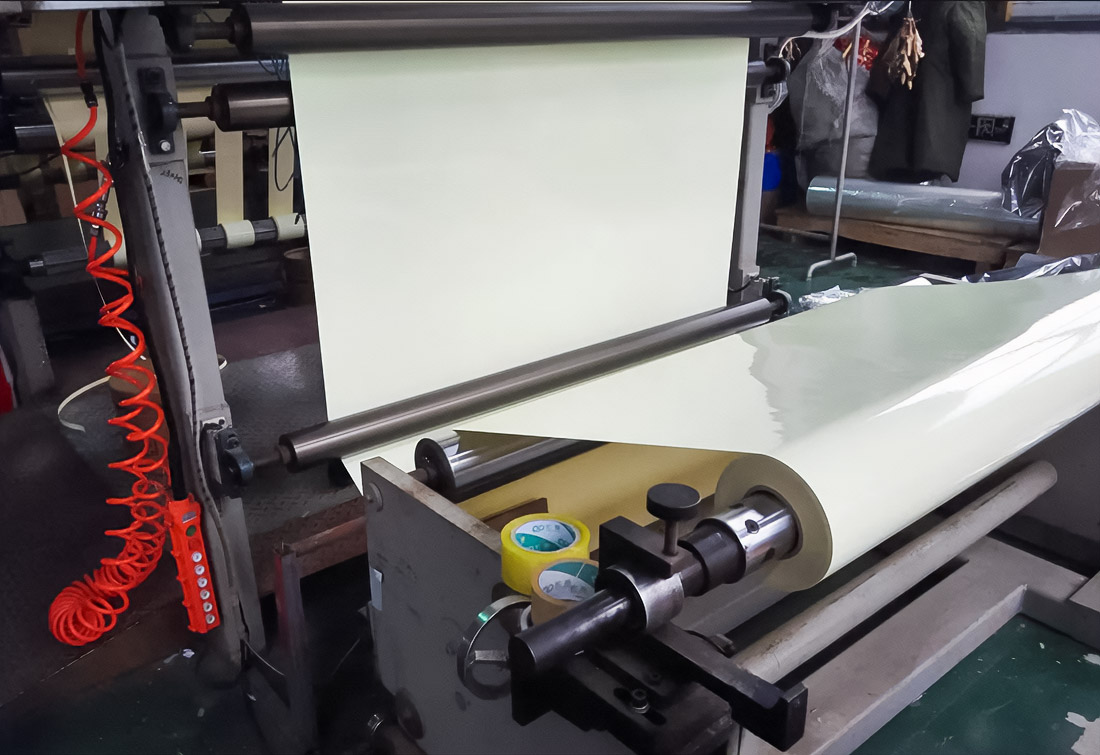
Wrapping, or profile wrapping, is a technology for coating linear profiles and elements of complex geometry with decorative materials. Profiles made of MDF, HDF, wood, PVC or aluminum are used as the base. The coating is applied using hot-melt adhesives, and the material itself is usually PVC film, vinyl wrap, or decorative film with various embossing levels and textures.These characteristics explain the growing demand for Furniture wrapping Dubai solutions in projects where design flexibility and long-term durability are critical.
The key difference between wrapping is the ability to work with 3D contours, edges, grooves, and radii, providing a seamless surface without requiring additional edge banding. The film wraps the element completely, including the edges, which increases edge protection, reduces the risk of moisture penetration and reduces the likelihood of peeling during operation.
Modern wrapping lines reach capacities of up to 110 m/min, which makes the technology not only flexible but also cost-effective, even with small and customized batches. A high level of automation reduces changeover time and reduces the impact of the human factor, which directly affects the stability of quality and cost.
Lamination: Technology for Flat Surfaces
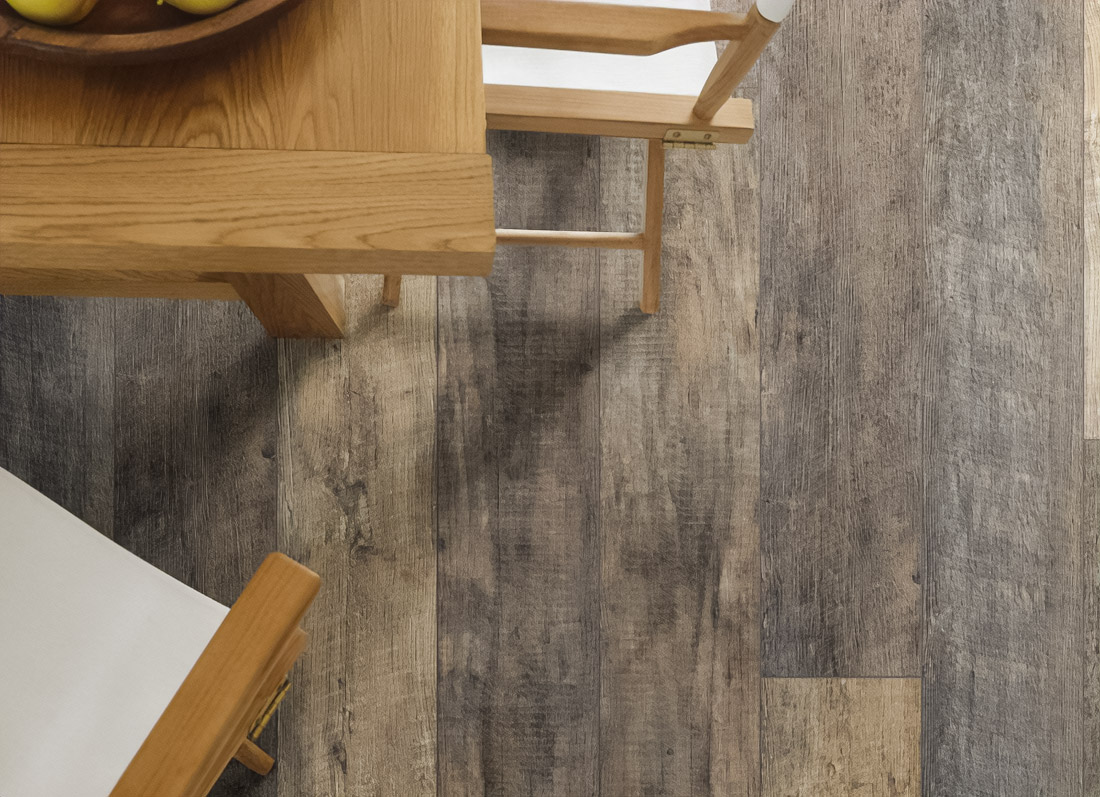
Lamination is the process of applying a rigid decorative sheet to a flat substrate using pressure and temperature. Melamine laminate, high-pressure laminate (HPL), low-pressure laminate (LPL) are most often used, and MDF, HDF or chipboard panels are used as the base.
Flat lamination is optimal for large-format and regular surfaces: facades, panels, countertops, partitions. In the conditions of mass production, the speed of lamination lines exceeds 50 m/min, which makes the technology especially in demand for large volumes.
Laminated surfaces are characterized by high surface hardness, resistance to abrasion, chemical influences and mechanical stress. However, due to the rigidity of the material, lamination is practically not applicable for complex shapes, and the edges require separate processing, which increases the number of operations and potential vulnerable areas.
Materials and Design Differences
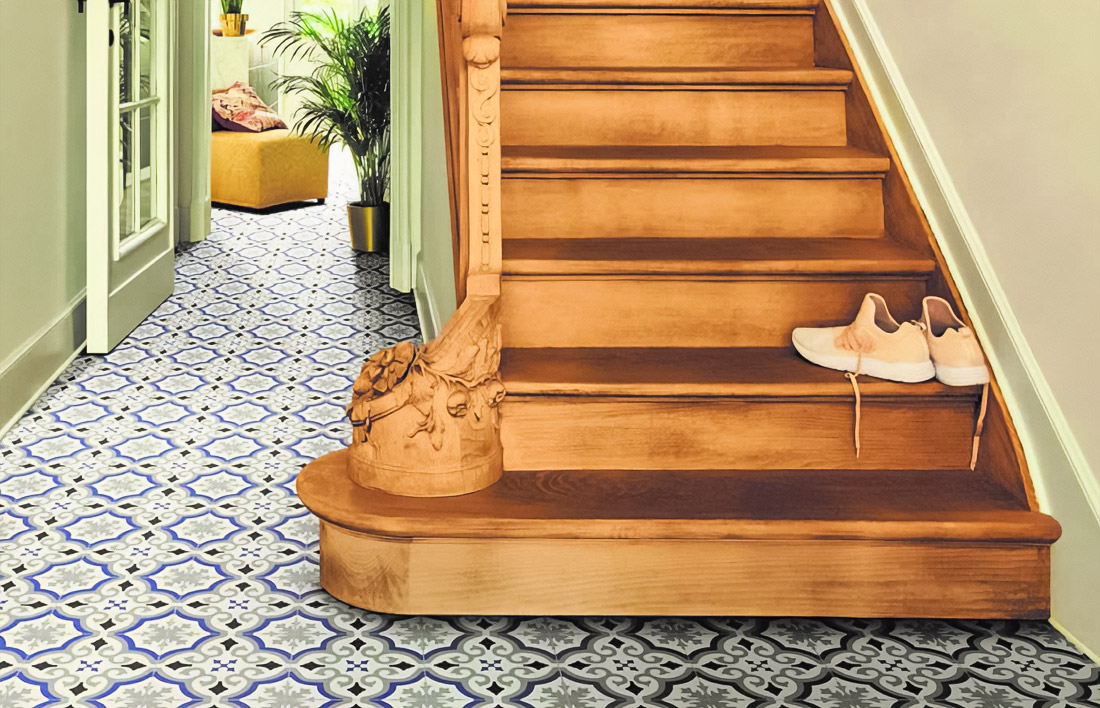
In terms of materials, the differences between wrapping and lamination are fundamental:
PVC decorative film and vinyl wrap are flexible thermoplastic materials capable of adapting to complex geometries, providing woodgrain texture, matte finish, high-gloss finish, soft-touch surface and visual integrity.These properties make them especially relevant for home and office vinyl wrap UAE projects, where interiors often combine complex forms with high humidity and temperature variations.
Laminates are rigid composite sheets with high density, providing dimensional stability and high scratch resistance but limited in shape.
These differences directly affect the choice of technology, depending on the project objectives, operating conditions, and budget.
Performance and Durability
With proper surface preparation and compliance with the installation technology, vinyl wrap and PVC films demonstrate a service life of 7-10 years or more, retaining color, texture and adhesion even in conditions of high humidity and temperature fluctuations. The key factor here is surface preparation: cleaning, degreasing and levelling the substrate.
Laminated surfaces, in turn are highly resistant to abrasion and are suitable for areas with heavy loads. However, in case of damage or delamination, repair is often difficult and may require a complete replacement of the element.
Production Efficiency and Economics
From the point of view of the production process, wrapping benefits by:
- The absence of a separate edge banding
- Reducing the number of operations
- The ability to quickly switch between formats
- Less material loss
Modern precision adhesive application systems can reduce the consumption of adhesives and cladding materials by up to 30% compared to traditional methods. This directly reduces the cost and reduces the amount of waste.
Lamination remains economically feasible in the conditions of large-scale production of standard panels, where repeatability, speed and minimal deviations are important.
Sustainability and Product Lifecycle
The issue of sustainability is increasingly becoming a part of technical choice. Wrapping and lamination are evolving towards reducing VOC emissions, optimizing energy consumption, and extending the life cycle of products. Intelligent process management systems allow you to adapt parameters to a specific task and ensure energy savings of up to 25%.
The use of coatings based on recycled or biodegradable materials reduces the carbon footprint of the process by up to 40%, and the high wear resistance of the surfaces reduces the frequency of product replacement, which is especially important in the long term.
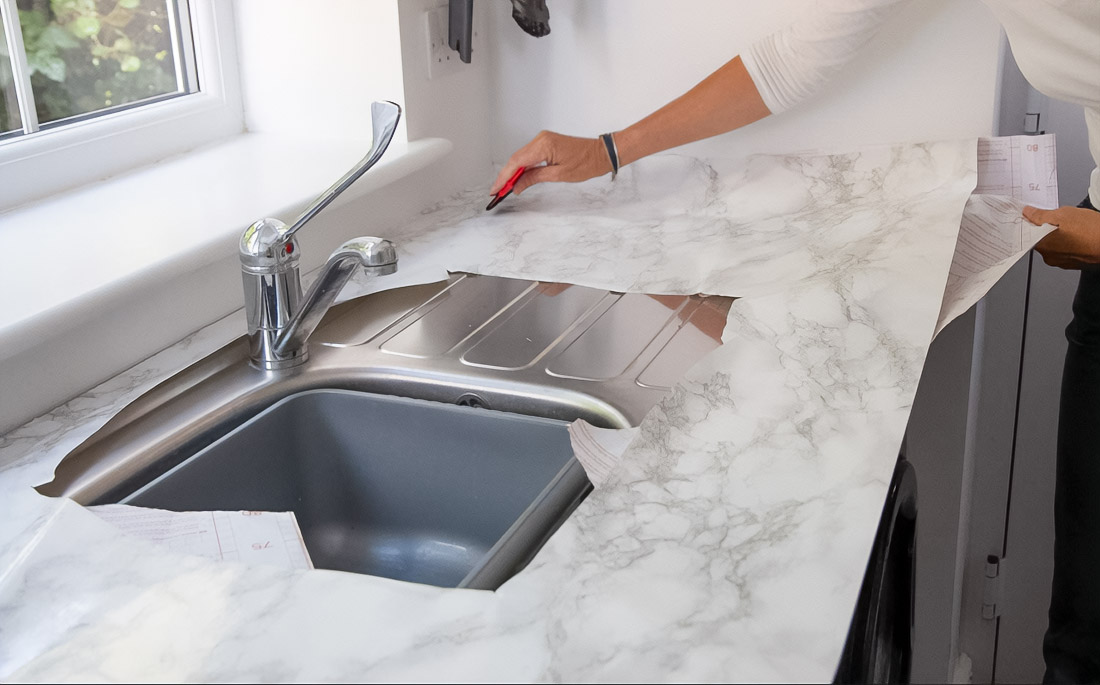
An additional advantage of wrapping is the possibility of updating and restoring existing surfaces without dismantling, which reduces waste and eliminates “wet” construction processes.
Where and When to Apply Each Technology
Wrapping is optimal for:
- Profiled facades and doors
- Kitchens and bathrooms
- Rooms with high humidity
- Projects with frequent design changes
- Tasks where edge integrity and visual continuity are important
Lamination is suitable for:
- Flat panels and facades
- Commercial and office spaces
- Surfaces with high mechanical stress
- Mass production of standard elements
Wrapping and lamination do not compete directly;they solve different tasks. The first one provides flexibility, adaptability, and savings with complex geometry and customisation. The second provides rigidity, stability and high wear resistance on flat surfaces. Understanding the differences in materials, processes, and performance characteristics allows you to choose a technology consciously, based not on the external effect, but on the actual functionality and service life of the product.

Skier, doer, record lover, Bauhaus fan and proud pixelpusher. Working at the fulcrum of simplicity and purpose to develop visual solutions that inform and persuade