Seasonal flows in the city are able to “reshape” the usual routes. As soon as the October–March period arrives, evening crowds become denser, family trips become more noticeable, and passenger comfort and safety requirements become stricter. New seasonal routes are emerging, direct routes are strengthening, and the role of transfer hubs and transport hubs is increasing. And if the trip seems simple on the map, in practice the details are decided: driving intervals, predicted travel time, traffic management and the very pressure on parking, which turns into the main irritant during peak hours.
Route As A Scenario: Metro → Bus And Back
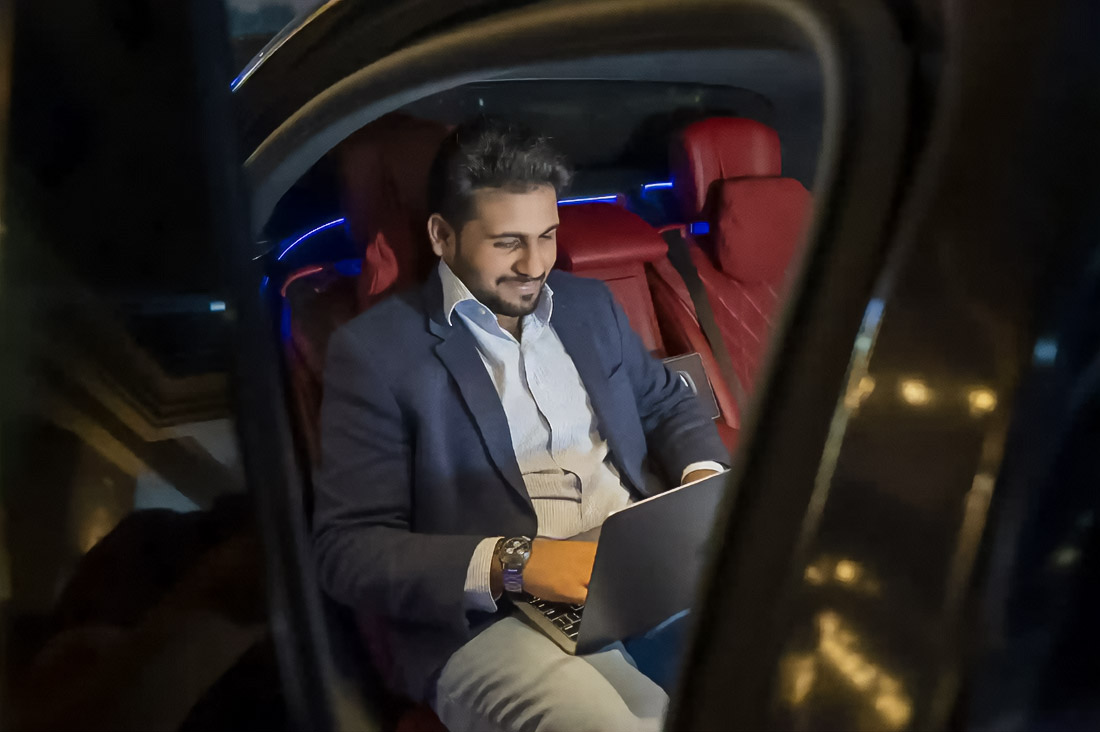
In a period of high demand, the winner is the one who plans the route in advance. The most common format is a multimodal “metro → bus” trip, where not only the stations are important, but also the transfer point, the length of the crossing, queues and schedule. On average, such a journey takes 50-80 minutes, and this time is often more predictable than trying to drive “directly” (driver on call dubai) on congested roads.
The seasonal network includes 4 direct bus routes. The travel intervals are kept in the range of 40-60 minutes, which is especially noticeable in the evening: one missed bus can shift the entire plan. Therefore, passengers often choose a round trip with a focus on late return flights, rather than “as it turns out.”
The tariffs are arranged quite transparently. A one way bus costs about 10 AED, and a subway ride costs about 3-7.5 AED across the zones. In total, “metro + bus” usually leaves 13-17.5 AED at one end. It is important to remember about the replenished transport card and the minimum balance: it is 7.5 AED. Non-cash payment saves time, and a fixed tariff reduces nervousness, especially when there is a rush and a crowd around.
Peak Hours, Schedules, And Bottlenecks

The city operates on an evening schedule during the season. Many people arrive after work, and that’s when rush hours form: queues grow, waiting increases during peak hours, and it’s harder to find a parking space. Here, transfer hubs become a test of convenience: how logical navigation is, whether there is enough space, whether the entrance to the transport hub is not “clogged up”.
A separate factor is holidays and special events. The period 10 December – 28 December usually increases flows, and flight frequencies are particularly acute. In such weeks, it is better to lay a reserve: for entry, for crossings, for boarding.
The operating mode of the platforms sets the load on the transport. The schedule looks like this: 4 PM–12 AM (Sun–Wed) and 4 PM–1 AM (Thu–Sat). The average visit duration is 5-6 hours, which means that many people leave almost simultaneously, immediately after the show or the end of the walk. At this point, traffic management becomes not an abstraction, but a real tool: it affects the speed of departure, safety, and how quickly the crowds disperse.
Water, Walking And Steady Transportation Without Fuss
When land routes are overloaded, tourist water transport is perceived as a salvation and a pleasure at the same time. There are 2 electric motors operating along the inland waterways — quiet, neat, designed for a calm pace. This is not just a “ferry ride”, but scenic walks that relieve tension after a busy evening.
This format supports the idea of safe and sustainable transport: less noise, fewer conflicts on the roads, less congestion in parking lots. And another important detail is that it helps people to distribute themselves across the space without creating a single “traffic jam” at the exit.
The evening program also affects the traffic pattern. The parades take place Sunday/Tuesday/Thursday at 6:00 PM and 7:30 PM. There are stage productions with 26 performers, as well as a quest space of 11 rooms. For some activities, a “passport” or a 10 AED booklet is used. The seasonal sweepstakes have a prize pool of over 20 million AED, with a grand prize of 10 million AED. And all this means one thing: people stay longer, move more often, and transport must withstand not the “average temperature”, but the real evening load.
Yes, parking is designed for more than 20,000 cars, but at peak times this is not a guarantee of peace of mind. Therefore, public transport, direct routes, clear intervals and thoughtful multimodality remain the most reliable way to save time, rhythm and comfort.
Skier, doer, record lover, Bauhaus fan and proud pixelpusher. Working at the fulcrum of simplicity and purpose to develop visual solutions that inform and persuade